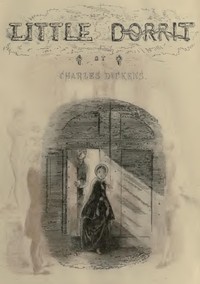
Little Dorrit
by Dickens, Charles
Collection
Project Gutenberg
Project Gutenberg Release
Project Gutenberg ID
963
Reading Ease
Reading ease score: 76.7 (7th grade). Fairly easy to read.
Rights: Public domain in the USA.
Summary
"Little Dorrit" by Charles Dickens is a novel written in the mid-19th century. The story delves into themes of poverty, societal injustice, and the constraints of the prison system as it follows the life of Amy Dorrit, affectionately known as Little Dorrit, who grows up in the Marshalsea debtors' prison, where her father has been incarcerated. The narrative showcases the complex interplay of wealth and class, capturing the struggles of those ensnared by financial and institutional oppression. At the start of the book, we are introduced to the oppressive atmosphere of a scorching day in Marseilles, where two prisoners are confined in a grimy cell. One prisoner, Monsieur Rigaud, is noted for his sinister and cruel demeanor, while his fellow inmate, John Baptist Cavalletto, is portrayed as a lively yet humble man. Their interactions reveal the stark differences in their characters and the looming trial that awaits Rigaud. The chapter sets the tone for the themes of entrapment and societal critique, establishing a vivid backdrop against which the emotional and moral complexities of the characters will unfold throughout the novel. As the narrative progresses, it hints at the rich tapestry of lives that will intersect beyond the walls of the prison, particularly focusing on Little Dorrit's singular journey shaped by both love and adversity. (This is an automatically generated summary.)
Metadata
language_code
en
bookshelf
Category: Classics of Literature
Category: British Literature
Category: Novels
locc_code
PR
subject
Inheritance and succession -- Fiction
Domestic fiction
Love stories
London (England) -- Fiction
Fathers and daughters -- Fiction
Children of prisoners -- Fiction
Debt, Imprisonment for -- Fiction
Marshalsea Prison (Southwark, London, England) -- Fiction